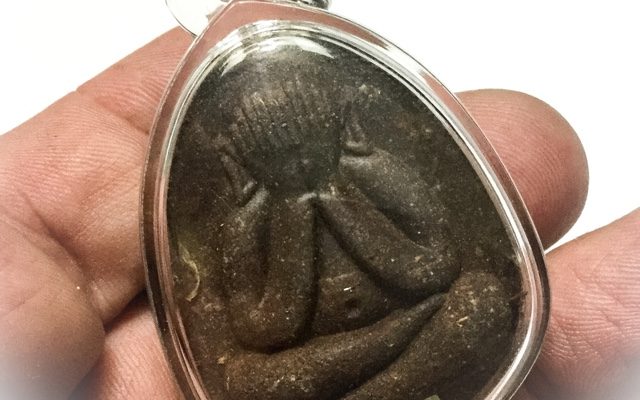
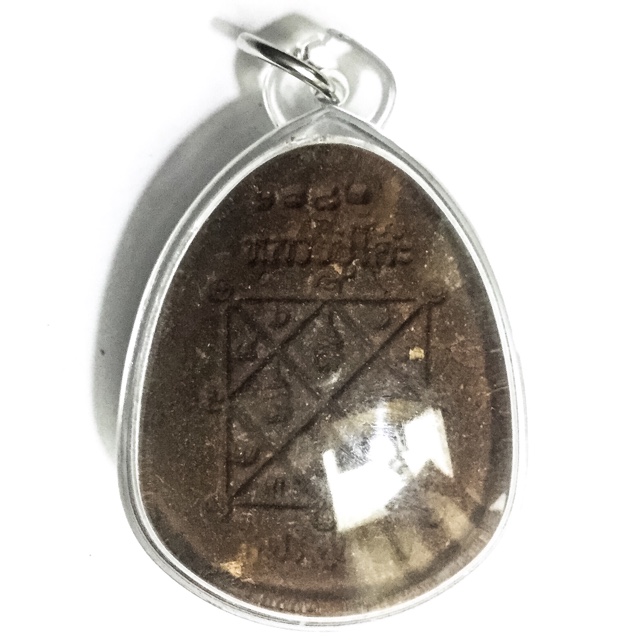
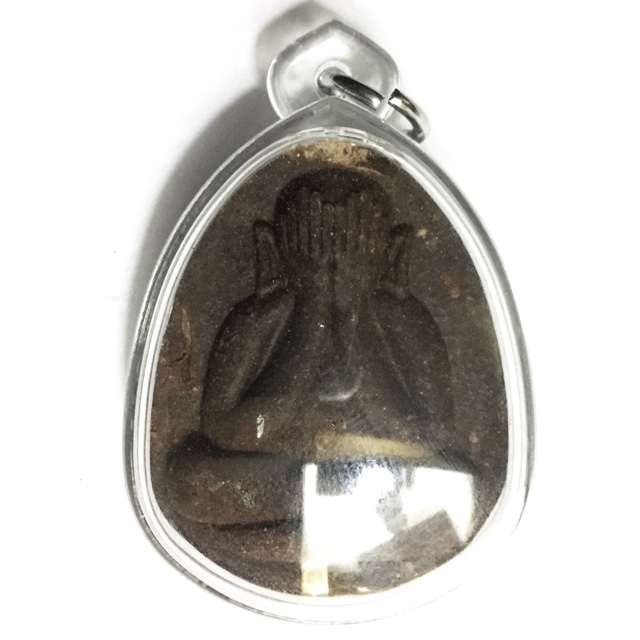
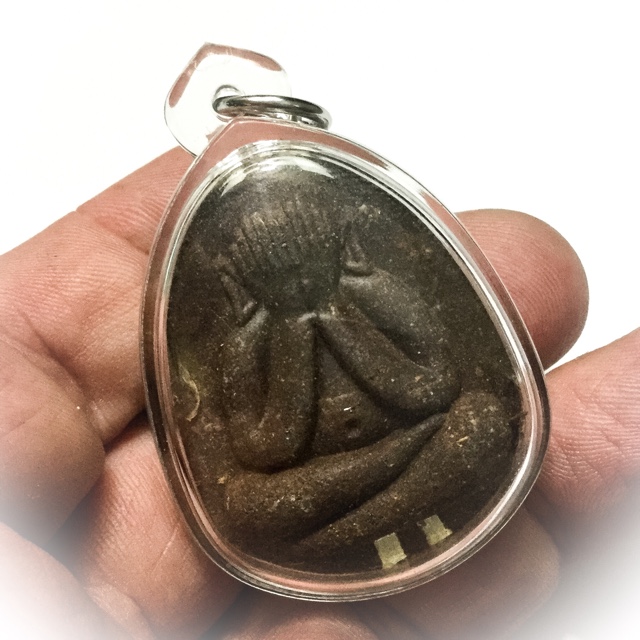
Luang Phu To giant statue building fund edition release of the famous ‘Pra Pid Ta’ type amulet of Luang Phu To. This is the ‘Maha Lap Jumbo’ shaped large model, most recommended for males to wear.
The edition is ‘Yorn Yuk’ Nostalgia Piece, funding a giant statue of Luang Phu To in honor of their Kroo Ba Ajarn and Lineage Master who passed on his Wicha Pra Pid Ta, and some of his famous Sacred Powders to the Looksit who are now the Masters of Wat Tham Singto Tong, which is considered as one of the top three ‘Family relations’ Temple of Luang Phu To (Wat Pradoo Chimplee).
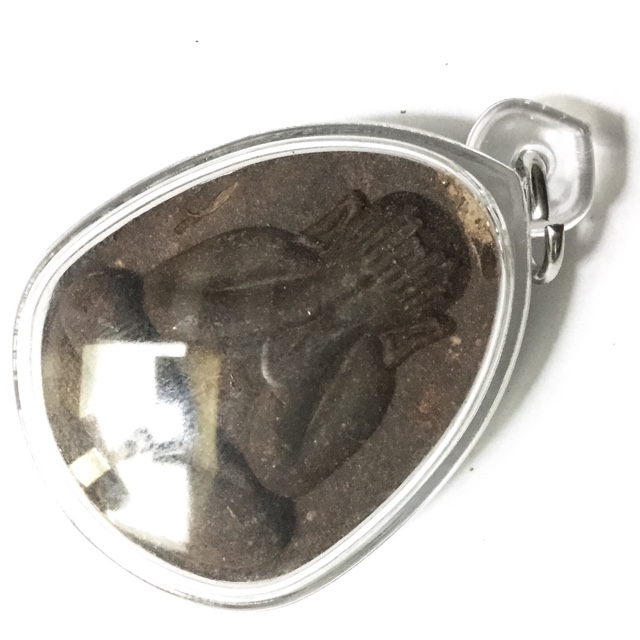
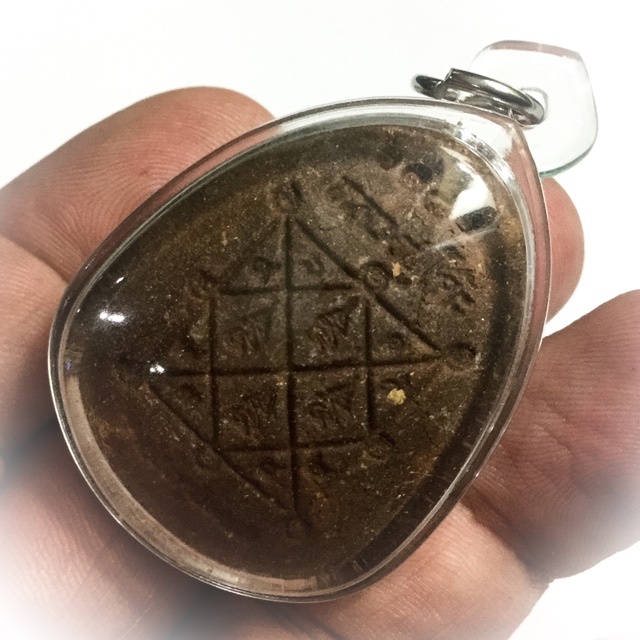
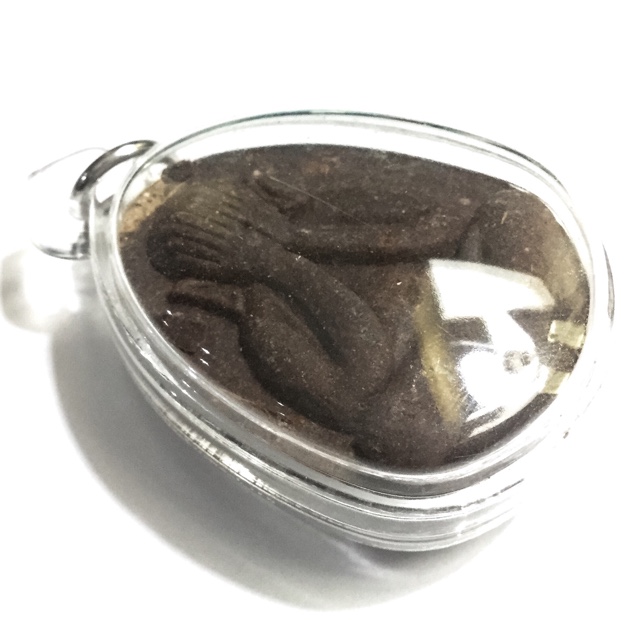
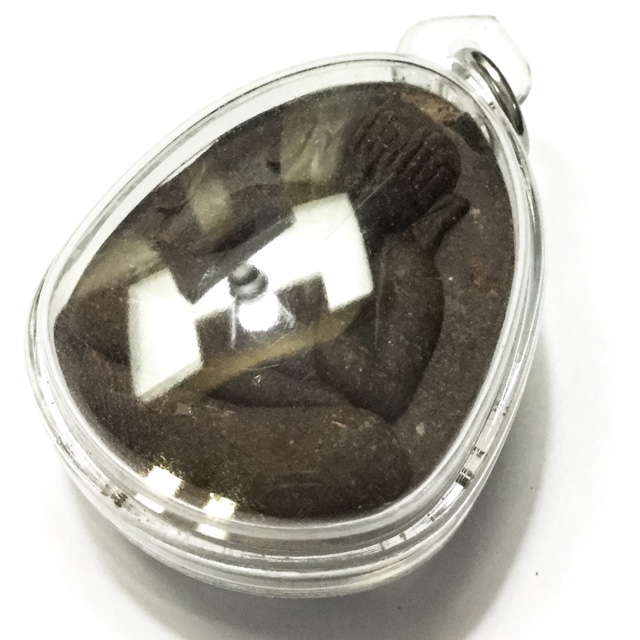
Wat Tham Singto Tong was built by Luang Phu To, as he was once invited by Luang Por Manit to go with him to practice in the forest cave at Tham Siingto Tong. Luang Phu To saw the place and decided it was a very peaceful and suitable place for practicing meditation, and so, rose funds for the building of the temple of Wat Tham Singto Tong.
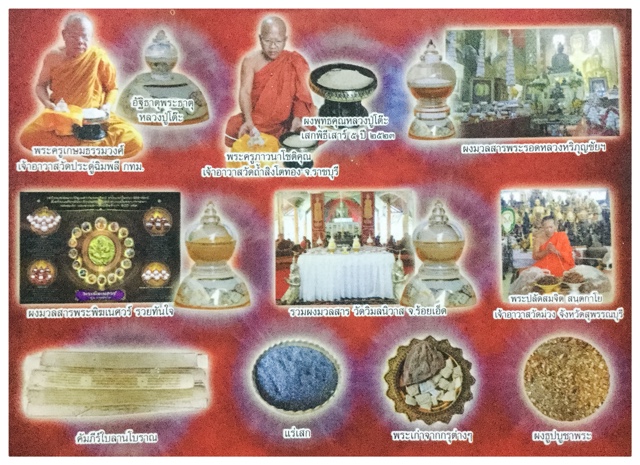
Muan Sarn Sacred Powders used in the Pra Pid Ta Jumbo Sethee Ngern Larn Edition amulets
The amulets were made in extremely high quality olden days methods, with different models of Pra Pid Ta Jumbo made in this release. The amulets were made in various kinds of Muan Sarn Sacred Powders , including Nuea Bailan (black parchment powders), Nuea Gesorn (pollens), Nuea Maha Mongkol Herbal powders, and Nuea Nam Rerk (Concentrated powders and high quantity of relics of Luang Phu To).
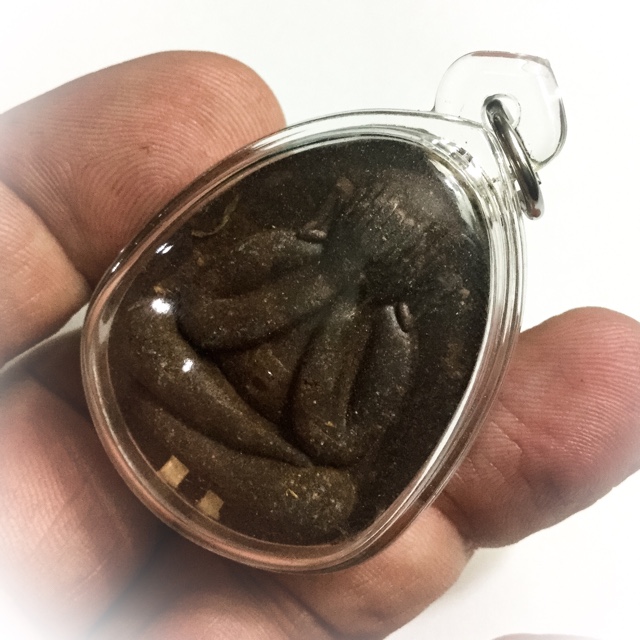
The amulets are easily authenticated at first glance with their high quality and hard to reproduce Muan sarn Sacred powders , real solid silver Takrut, secret code stamps hidden within the design features, and series numbers embossed.
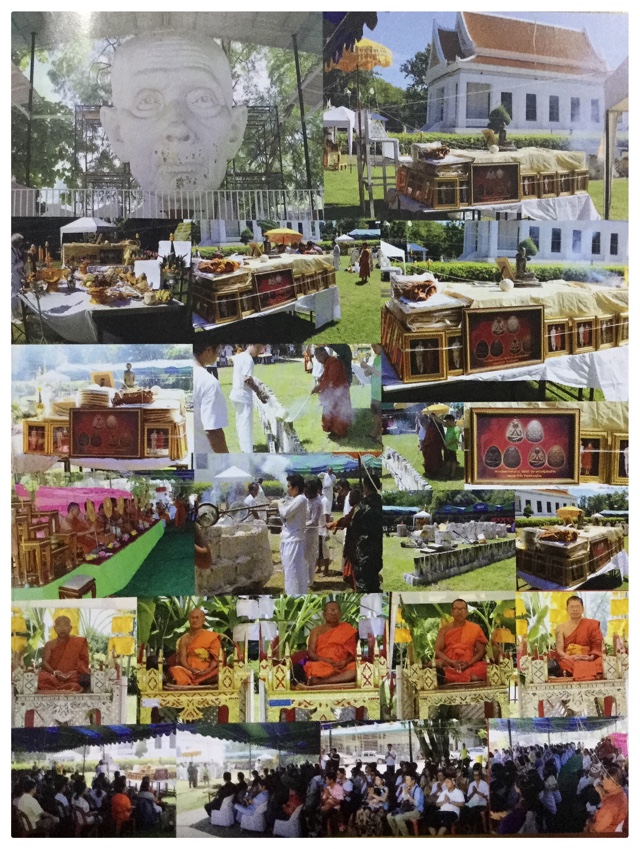
Luang Phu To statue and Sethee Ngern Lan Edition Amulets Blessing Ceremony
The amulets were made using some of the most sacred and Powerful Muan Sarn Sacred Powders , which had been gathered and assembled especially for this important edition, which funds the giant statue of Luang Phu To at Wat Tham Singto Tong.
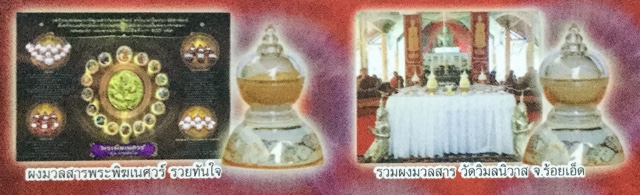
Muan Sarn from Wat Wimon Niwas Temple, and from The Pra Pikanes Ruay Tan Jai edition amulets
The Muan Sarn include the cremation ashes, bones and hairs of Luang Phu To, and Puttakun Powders made and empowered by Luang Phu To during the 2523 Buddha Abhiseka ceremony at Wat Pradoo Chimplee.
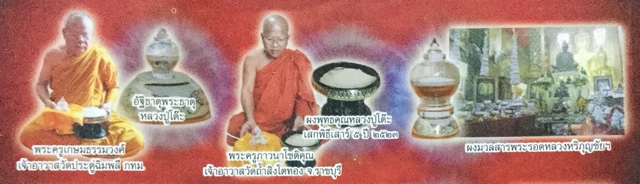
Adtitat (funeral remains) of Luang Phu To and other Muan Sarn Sacred Powders
Both the abbot of Wat Pradoo Chimplee, and Wat Tham Singto Tong performed blessings over the amulets, which were then blessed in a large Buddha Abhiseka ceremony at Wat Tham Singto Tong, on the 17th July 2559 BE.
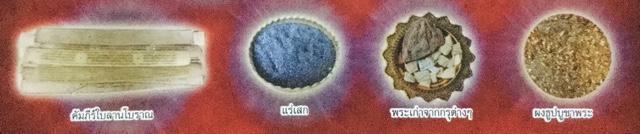
Muan Sarn used in the edition; Pong Bailan (burned Parchment Grimoire powders) Pong Rae Sek (empowered Kaya Siddhi minerals) Pra Gao (old amulets from the Kru Hiding Chamber)
Luang Phu To was a Great Monk whose practice was said to be very full of Grace and Auspicious Merit, Generosity and Purity, Diligence and Effort. Thai Buddhist People have Great Faith In Luang Phu To, and many different models of his amulets are found amongst those in the list of Miracle Amulets of Great Fame.
His amulets are amongst the most sought after of the ‘Chan Yord Niyom’ Category (Top Class High End Collector Class Amulets, and are mostly so expensive that they only accessible to the most Wealthy Collector).
For those with less finances who can not afford such a highly priced amulet, these Luang Phu To lineage transmission temple memorial amulets, with ashes and hair of lph To within the Sacred Muan Sarn, are a perfect and highly affordable way of spiritually connecting with the Great Guru Monk of Wat Pradoo Chimplee through the amulet, and recieve his blessings and protection.
Luang Phu To was the Abbot of Wat Pradoo Chjimplee from 2546 BE to 2524 BE, for over 68 Years, until his passing. The Temple of Wat Pradoo is since then till now attended to and presided over by his successor,Pra Kroo Wirote Gittikun (Luang Por Kasem).
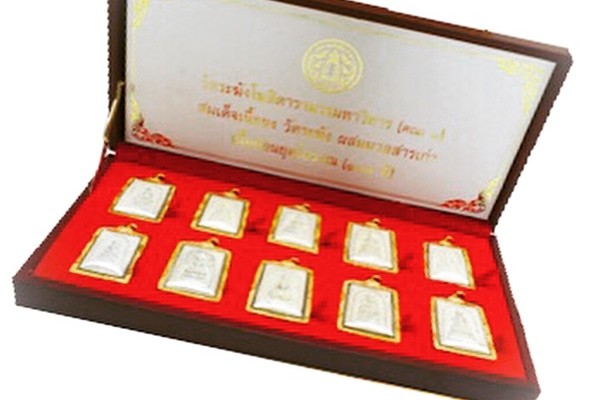


 The Amulets were empowered and blessed twice, the first occasion being performed 24 November the year 2556, at the temple of Wat Maha Preukataram, in Bangkok. Many great masters were present to empower these Amulets including some of the most famous of all, like Luang Por Foo (Wat Bang Samak), Kroo Ba Krissana Intawano, Luang Por Poon (Wat Ban Paen), Luang Por Chan (Wat Bang Bor), and Pra Maha Surasak, of Wat Pradoo.